
Hat Materials Explained: Fabrics, Performance, Durability & Sustainability. There’s a lot to consider when looking at ordering custom hats, from how it will feel to how long it will last. The fabric it was made from affects everything about a hat, including its sustainability and when the best time is to wear it. We’ll look at the ins and outs of common hat materials today, with details on their pros and cons in all aspects.
What Are Common Fabrics/Materials Used in Hats?
Hat materials vary in origins, advantages, and disadvantages. One common distinguisher is whether they are natural or unnatural in origin. Common fabrics used in hats include:
- Cotton – Definition: A common, natural fiber grown from a plant of the same name.
- Wool – Definition: A natural fiber made from the hair of animals such as sheep.
- Nylon – Definition: A synthetic fiber made from plastic polymers.
- Acrylic – Definition: A synthetic fiber also made from plastic polymers.
- Polyester – Definition: A synthetic fiber made from petroleum.
How Do Different Hat Materials Perform?
For hat material performance, we look at three main factors: Breathability, Heat Retention, and Comfort. Here’s how each material stacks up:
Cotton
- Breathability: Cotton features great airflow and breathability, making it easy to keep you cool in the heat.
- Heat Retention: Unfortunately, it’s not great – cotton allows much heat to pass through and exit your body.
- Comfort: Cotton is very comfortable, known for its softness and gentle feel on your skin.
Wool
- Breathability: It may surprise you that wool also has good breathability, stemming from its moisture-wicking properties.
- Heat Retention: Wool is known for providing great insulation and has excellent heat retention qualities.
- Comfort: Wool is fairly comfortable, though some people find it itchy.
Nylon
- Breathability: Nylon has great breathability and moisture-wicking abilities.
- Heat Retention: Nylon has poor heat retention properties.
- Comfort: Nylon is less comfortable than natural materials, since it is less soft.
Acrylic
- Breathability: Acrylic fabric has very poor breathability.
- Heat Retention: Acrylic features great heat retention.
- Comfort: Acrylic provides a medium level of comfort, probably the best of the synthetic fibers.
Polyester
- Breathability: Polyester fabric has medium breathability, with a wide range of levels depending on the manufacturer.
- Heat Retention: Polyester has good heat retention.
- Comfort: Polyester is considered one of the least comfortable options, and some people may experience a rash as a result of allergic reactions.
Key Takeaways: Breathability and heat retention in hat fabrics are generally a tradeoff, and natural materials tend to be more comfortable than synthetic fabrics.
Durability of Different Hat Materials
While having a hat with amazing performance is great, it’s less great when the hat wears out quickly and needs to be replaced. Different materials also have different levels of durability:
- Cotton: Cotton hats vary in levels of durability – they are generally less durable than synthetic fabrics.
- Wool: Wool hats can be very durable, but need to be properly cared for in order to avoid damage.
- Nylon: Nylon fabric is super durable, one of the strongest fabrics available.
- Acrylic: Acrylic hats are highly durable.
- Polyester: Polyester hats are also highly durable.
Key Takeaway: Synthetic materials tend to be a bit more durable than natural materials, though proper care and treatment of the hat is also important.
How Sustainable Are Different Hat Materials?
While it’s common to think that natural materials are more sustainable than synthetic fibers, there is more nuance to the actual impact. The production process is just as important as the materials themselves.
- Cotton: Cotton fabric is natural and biodegradable, but it can be subject to unsustainable farming and processing practices. Look for organic and/or recycled cotton for the most sustainable options.
- Wool: Similar to cotton, wool is natural and biodegradable. Again, farming and processing practices can affect its sustainability. Certified sustainable wool and/or recycled wool are the most sustainable options.
- Nylon: Raw nylon has several negative sustainability impacts, from imparting microplastics to harmful production practices. However, some modern recycling processes avoid the worst environmental impacts, making recycled nylon a more viable option.
- Acrylic: Acrylic clothing is very harmful for the environment, both in production and in microplastic releases. While it is recyclable, the process is not always effective.
- Polyester: Being made from oil, polyester is one of the least sustainable materials to produce. Similar to nylon, recycling options can minimize production impacts, but microplastics remain a problem with polyester.
Key Takeaway: Natural materials are normally more sustainable than synthetic materials, but it’s important to look at how the fabric for your hat was produced, not just what it is.
Sustainability Caveats:
- How long you wear it matters. Keeping clothes for many uses is typically more sustainable than wearing them a few times, then discarding them.
- How you wash your hat matters. Different types of fabric are typically maintained differently, affecting their overall sustainability.
- How it’s made matters. Beyond environmental impact, human rights and proper treatment of workers are important aspects of sustainability.
In summary, while natural materials tend to be more sustainable than synthetic ones, the processes used to make them have a great impact. And beyond the material itself, how ethically it was made and how you use it will affect how environmentally friendly and sustainable your hat is.
How to Choose the Right Material for Your Custom Hats.
Using what we’ve learned and looked at above, you can decide on what material, or blend of materials, is right for your next custom hat. Think about how the materials’ characteristics will fit the following factors:
Intended Use:
- For branding, a sturdier material like polyester will keep the hat firm and logo visible.
- For a focus on comfort over visuals, cotton is your best bet.
- For a single event, durability may not be as much of a factor.
- If wearers will be active, nylon is a good choice, since it combines breathability and moisture-wicking capabilities.
Weather and Climate:
- If you’re in a colder climate, or are just ordering these hats in the winter, wool and acrylic’s heat retention are your friend.
- Conversely, for warmer climates and the summer, cotton and nylon’s breathability are key.
- Beware of temperature swings: Cotton is great in the summer heat, but it can trap in moisture and be uncomfortable if the temperature drops at night.
Lifespan:
- Any of the more durable synthetic fabrics will be longer-lasting.
- However, if you value being able to recycle the hat once it’s worn out, either cotton or wool will be easier to work with.
- Cotton fabric can shrink, which may lower a hat’s lifespan for a particular person.
Aesthetics:
- Cotton hats tend to have softer, matte colors and wrinkle easily.
- Polyester can have bold colors, a slight sheen, and is fairly stiff.
- Nylon is a middle ground between cotton and polyester, with medium color saturation, sheen, and stiffness.
- Wool and acrylic hats look very similar, with a soft/fuzzy quality.
FAQs on Hat Fabrics, Performance, Durability, and Sustainability:
What is the best material for hats?
The “best” material generally depends on when you are wearing it – for example, cotton and nylon hats with great breathability are best in warm months, while wool or acrylic hats take advantage of great heat retention in cold weather.
What is the healthiest fabric to wear for hats?
For health, the first thing you want to pay attention to is allergies – if you’re allergic to a given fabric, don’t wear that! Beyond that, avoid fabric that traps moisture, and be aware that synthetic fabrics can shed microplastics.
What about blended fabric hats?
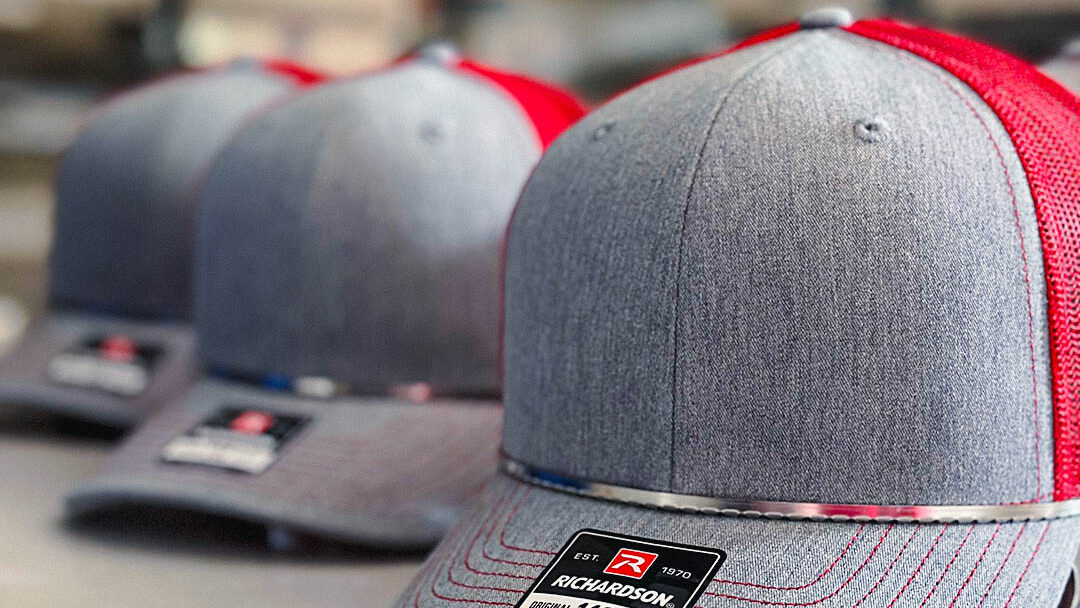
Blended fabrics are made by combining multiple fabric types for a “best-of-both-worlds” approach. For example, Richardson hats mostly use blended fabrics to combine the breathability and durability pros of both synthetic and natural materials.
Which hat fabrics are waterproof?
None of the fabrics listed above are inherently waterproof, though the synthetic ones are water-resistant. Cotton can also be treated to improve its water resistance.
What hat material lasts longest in the sun?
Synthetic fabrics, especially polyester and nylon, are effective UV blockers, making them good choices to protect you from the sun and improving their durability in sunny conditions. Wool is also very sun-resistant.
Hat.Co Offers Hats With a Variety of Materials, Whatever Your Need
If you’re looking to create a custom hat, Hat.Co brings experience and expertise to help you make it happen. With a wide variety of customization options, you have the flexibility to make your dream hat come true.
Call us at (636) 926-2777 or get a quote online today to get started.